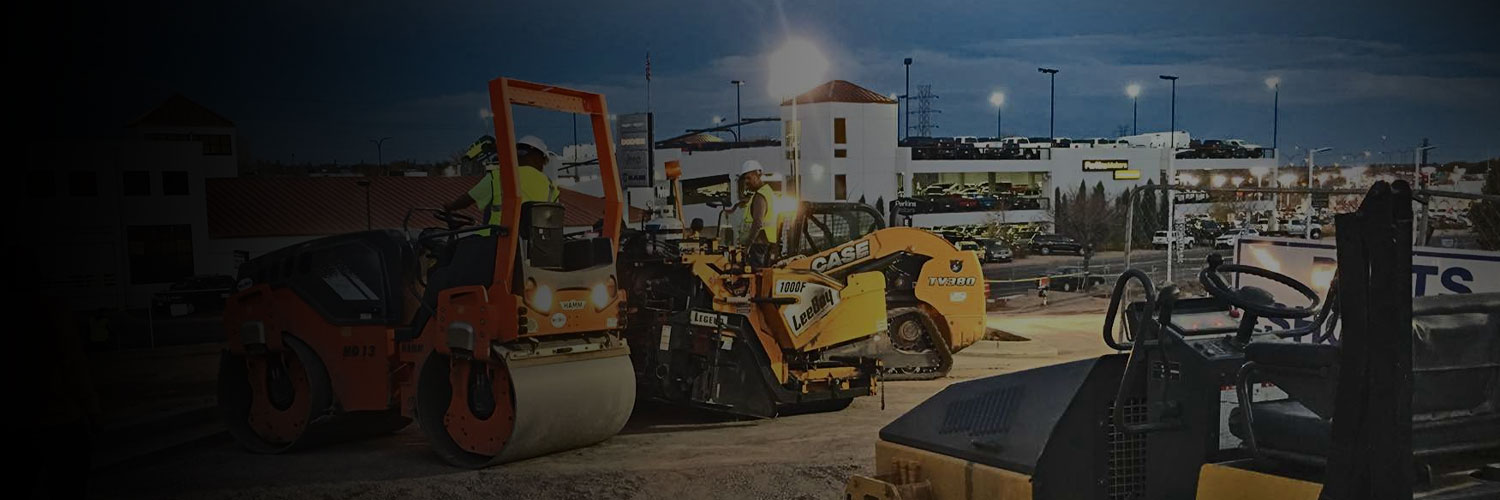
Choosing the right material for asphalt paving for ranch roads is crucial for durability, maintenance, and overall functionality. Gravel and asphalt are two of the most common materials used for this purpose, each offering distinct advantages and disadvantages. This comprehensive guide will help you understand how gravel compares to asphalt paving, making it easier for you to decide the best option for your ranch roads.
Gravel vs Asphalt Paving For Ranch Roads: Pros and Cons
Gravel Driveways
Gravel is a common surface material for rural and ranch roads due to its affordability and ease of installation. It consists of crushed stone and comes in various sizes and colors, allowing for some customization.
Pros:
- Cost-Effective: Gravel is one of the most affordable options for road surfacing.
- Easy to Install: Gravel roads can be installed quickly, making them ideal for immediate use.
- Good Drainage: Gravel allows water to permeate through, reducing the risk of water pooling and potholes.
- Traction: Gravel provides good traction, especially in wet conditions, making it safer for vehicles.
Cons:
- Maintenance: Gravel roads require regular maintenance, such as re-grading and adding more gravel to fill in ruts and potholes.
- Dust: Gravel roads can create dust, which can be a nuisance for nearby homes and vehicles.
- Ruts and Potholes: Heavy usage can cause ruts and potholes to form more frequently, requiring more frequent repairs.
- Dirty: Gravel can make vehicles and nearby structures dirty, especially in dry conditions.
Asphalt Roads
Asphalt is a popular choice for ranch roads due to its durability and smooth finish. It involves laying a mixture of bitumen and aggregates, which hardens to form a strong, weather-resistant surface.
Pros:
- Durability: Asphalt roads have a long lifespan, often lasting between 12 to 35 years with proper maintenance.
- Smooth Surface: Asphalt provides a smooth driving surface, reducing wear and tear on vehicles.
- Low Maintenance: Compared to gravel, asphalt requires less frequent maintenance. Regular seal coating and crack repairs can prolong its life.
- Aesthetics: Asphalt has a clean, sleek appearance that enhances the overall look of the property.
Cons:
- Cost: Asphalt paving is more expensive upfront than gravel.
- Heat Sensitivity: Asphalt can become soft and pliable in extreme heat, leading to indentations and damage.
- Required Maintenance: Asphalt needs regular cleaning and periodic seal coating to maintain its appearance and functionality.
Detailed Comparison
Installation
Gravel: Installing a gravel road is relatively straightforward. It involves grading the road, laying a base layer of larger stones, and then adding a top layer of smaller gravel. The process is quick, and the road can be used immediately after installation.
Asphalt: Asphalt installation is more complex. It requires preparing the base, laying the asphalt mixture, and then compacting it to create a smooth surface. The process takes longer and requires professional expertise.
Maintenance
Gravel: Regular maintenance is essential for gravel roads. This includes re-grading to smooth out ruts, adding new gravel to maintain the road’s integrity, and addressing drainage issues to prevent water damage.
Asphalt: Asphalt roads require less frequent maintenance. Regular seal coating every few years, along with prompt repair of cracks and potholes, can significantly extend the road’s lifespan.
Durability and Longevity
Gravel: While gravel roads are durable, they do not last as long as asphalt. They are more susceptible to wear and tear, especially under heavy traffic and adverse weather conditions.
Asphalt: Asphalt roads are known for their longevity. With proper care, they can last several decades, providing a smooth and reliable surface for ranch roads.
Cost
Gravel: The initial cost of installing a gravel road is significantly lower than asphalt. However, the ongoing maintenance costs can add up over time.
Asphalt: The initial cost of asphalt paving is higher, but the lower maintenance costs and longer lifespan can make it a more cost-effective option in the long run.
Environmental Impact
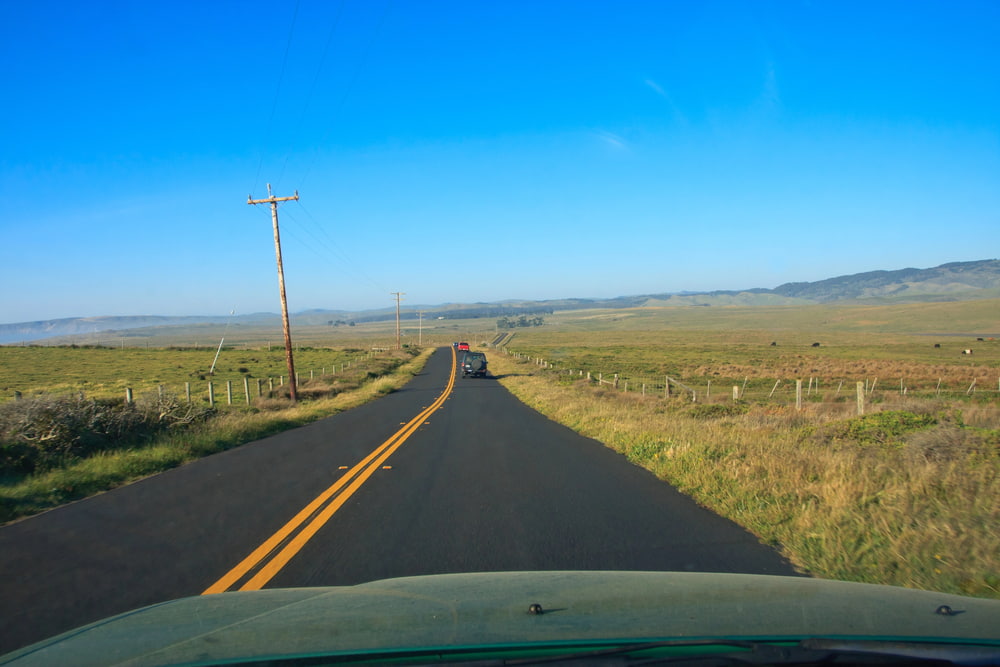
Gravel: Gravel is a more environmentally friendly option as it is permeable, allowing rainwater to seep through and replenish the groundwater.
Asphalt: Asphalt is less permeable, which can lead to runoff and potential environmental issues. However, advancements in asphalt recycling and eco-friendly materials are helping to mitigate these concerns.
Conclusion
Choosing between gravel and asphalt paving for ranch roads depends on various factors, including budget, maintenance capabilities, and long-term needs. Gravel offers a cost-effective and quick installation solution, ideal for immediate use and good drainage. However, it requires regular maintenance and can become dirty and dusty. Asphalt, on the other hand, provides a durable, smooth, and aesthetically pleasing surface with lower maintenance requirements but comes with a higher upfront cost and potential heat sensitivity. For professional advice and high-quality installation services, contact MAC Asphalt Paving & Chipsealing at (325) 241-9847. Whether you need an asphalt driveway repair cost estimate or are looking for a reliable asphalt pavement company, MAC Asphalt Paving & Chipsealing can help you choose and install the best surface for your ranch roads.